
When we talk about Alpha Hydroxy Acids (AHAs), ingredients such as Glycolic Acid, Lactic Acid, and Mandelic Acid often come to mind. These ingredients are widely recognized for their ability to exfoliate dead skin cells and improve skin texture.
However, CITRIC ACID is also a member of the AHA family, and its role in cosmetic formulations extends far beyond exfoliation.
In addition to supporting skin exfoliation, CITRIC ACID plays several important technical roles in cosmetics, including pH adjustment, buffering support, and chelation of certain metal ions. These functions contribute to maintaining the physicochemical stability of cosmetic formulations.
In the cosmetics OEM/ODM industry, CITRIC ACID is a commonly used ingredient in formulation development, helping cosmetic researchers optimize the properties and performance of finished products.
So, what exactly is CITRIC ACID? Why is it commonly found in cosmetic ingredient lists, and how is it used in cosmetic formulation development?
Let’s explore its key functions and applications from the perspective of cosmetic science and manufacturing technology with IZAVELL.
1. What Is CITRIC ACID?
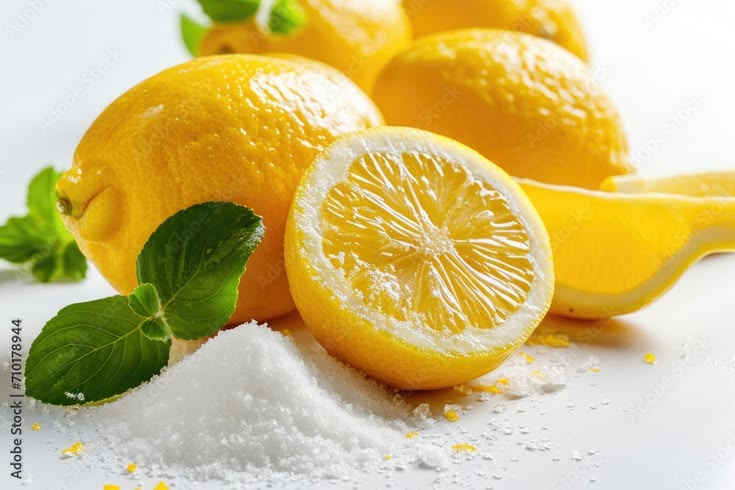
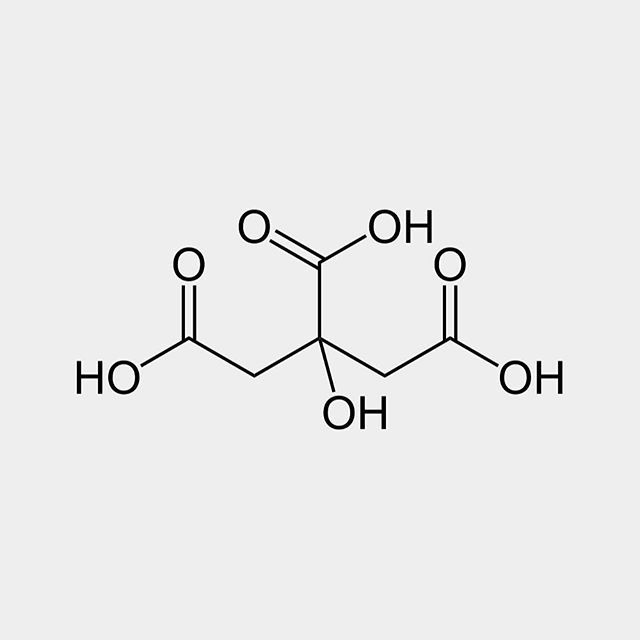
CITRIC ACID is an organic acid belonging to the Alpha Hydroxy Acid (AHA) family. Its molecular formula is C₆H₈O₇.
It occurs naturally in various fruits, particularly citrus fruits such as lemons, oranges, and grapefruits. In industrial production, CITRIC ACID is commonly manufactured through microbial fermentation.
From a chemical perspective, CITRIC ACID contains three carboxyl groups (-COOH) and one hydroxyl group (-OH). This molecular structure allows it to participate in several chemical processes within cosmetic formulations.
Basic Information About CITRIC ACID
- INCI Name: Citric Acid
- Molecular Formula: C₆H₈O₇
- Molecular Weight: Approximately 192.12 g/mol (anhydrous form)
- Classification: Organic Acid / Alpha Hydroxy Acid (AHA)
- Characteristics: Water-soluble, acidic, and capable of interacting with certain metal ions.
- Applications: pH adjustment, buffering support, chelation, and exfoliation.
One important point to understand is that CITRIC ACID is not always included in cosmetics for its direct skincare benefits.
In many formulations, it primarily serves technical functions that help control and maintain the physicochemical properties of the finished product.
2. Key Functions of CITRIC ACID in Cosmetics
2.1. pH Control – pH Adjustment and Stabilization
One of the most important applications of CITRIC ACID in cosmetics is adjusting and helping control the pH of a formulation.
CITRIC ACID is acidic in nature and can release H⁺ ions in aqueous environments. When added in appropriate amounts, it helps adjust the formulation’s pH to the desired range.
Additionally, when combined with citrate salts such as Sodium Citrate, CITRIC ACID can form a buffer system that helps minimize pH fluctuations when small amounts of acids or bases are introduced into the formulation.
In cosmetic manufacturing, this function is relevant to a wide range of products:
- Facial cleansers: Adjusting pH to suit the surfactant system.
- Toners: Establishing a pH environment appropriate for the formulation.
- Serums: Controlling pH conditions required by certain active ingredients.
- Moisturizing creams: Adjusting pH to ensure compatibility with the emulsion system and other ingredients.
- Shampoos: Helping control pH according to the cleansing system and product characteristics.
pH control affects not only the properties of a product but also its formulation stability and the compatibility of different ingredients. Therefore, in R&D, CITRIC ACID is often used as an important supporting ingredient in formulation optimization.
2.2. CITRIC ACID in Everyday Products and Its Applications in Cosmetics
CITRIC ACID is a familiar organic acid found in many everyday products. It is commonly used in beverages, processed foods, and cleaning products.
In food and beverages, CITRIC ACID is used to provide a sour taste, regulate acidity, and help maintain product quality. In household cleaning products, it is also used for its ability to interact with certain metal ions, helping remove mineral deposits and limescale.
However, the applications of CITRIC ACID are not limited to food or cleaning products. It also serves several important functions in the cosmetics industry.
Depending on its concentration and formulation conditions, CITRIC ACID can be used to:
- Adjust the pH of cosmetic products.
- Help control the effects of certain metal ions in formulations.
- Form buffer systems when combined with citrate salts.
- Support chemical exfoliation through its AHA properties.
It is worth noting that the same ingredient can serve different purposes depending on the industry and formulation. In cosmetics, CITRIC ACID is more than an acidulant or a supporting ingredient in cleaning products; it is also a valuable raw material in the research and development of skincare formulations.
2.3. Exfoliating Agent – Supporting the Removal of Dead Skin Cells
CITRIC ACID belongs to the Alpha Hydroxy Acid (AHA) group and can therefore help support chemical exfoliation when used under appropriate conditions.
In formulations with suitable concentrations and pH levels, CITRIC ACID can help reduce the adhesion between corneocytes in the outermost layer of the epidermis, supporting the shedding of dead skin cells.
As a result, it may help:
- Improve rough skin texture.
- Smooth the appearance of skin texture.
- Make the skin look brighter and more even-toned.
- Support the removal of accumulated dead skin cells.
However, its exfoliating performance depends on various factors, including acid concentration, pH, free acid content, formulation base, and contact time with the skin.
In many conventional skincare formulations, CITRIC ACID is included in small amounts primarily for pH adjustment rather than as the main exfoliating active.
Therefore, the presence of CITRIC ACID in a product does not necessarily mean that the product provides a significant exfoliating effect.
3. How Does CITRIC ACID Differ from Glycolic Acid and Lactic Acid?
Although CITRIC ACID, Glycolic Acid, and Lactic Acid all belong to the AHA family, they have different chemical characteristics and applications in cosmetic formulations.
Glycolic Acid – An AHA with a Small Molecular Weight
Glycolic Acid has a molecular weight of approximately 76.05 g/mol.
It is commonly used in chemical exfoliation products to help remove dead skin cells and improve the appearance of skin texture.
Lactic Acid – An AHA Associated with Moisture Retention
Lactic Acid has a molecular weight of approximately 90.08 g/mol.
In addition to supporting exfoliation, it is associated with the skin’s Natural Moisturizing Factor (NMF) and is widely used in skincare formulations.
CITRIC ACID – A Multifunctional AHA
CITRIC ACID has a molecular weight of approximately 192.12 g/mol and contains three carboxyl groups.
Its distinctive feature is its versatility in cosmetic formulation. Beyond supporting exfoliation, it can function as a pH adjuster, contribute to buffer systems, and interact with certain metal ions.
For this reason, CITRIC ACID is valued not only as a skincare ingredient but also as a technical raw material in cosmetic formulation development.
4. What Types of Cosmetics Use CITRIC ACID?
Thanks to its water solubility and multifunctional properties, CITRIC ACID can be incorporated into various types of cosmetic formulations.
Common applications include:
- Facial cleansers and cleansing products.
- Toners and essences.
- Facial serums.
- Lotions and moisturizing creams.
- Chemical exfoliating products containing AHAs.
- Shampoos and conditioners.
- Body washes and body care products.
Depending on the development objectives, CITRIC ACID may be used as a pH adjuster, a component of a buffer system, or an ingredient in AHA-based skincare formulations.
Its primary function should be determined based on the intended product concept, concentration, final pH, ingredient compatibility, and desired performance.
5. Is CITRIC ACID Safe for the Skin?
CITRIC ACID is widely used in cosmetic products. However, the safety of a finished product depends not only on the ingredient itself but also on its concentration, pH, contact time, and intended users.
At low concentrations:
CITRIC ACID is often used for pH adjustment and other technical formulation purposes.
At these levels, it does not necessarily provide noticeable exfoliating effects.
At higher concentrations or in low-pH formulations:
Its exfoliating activity may become more pronounced. However, if the formulation is not properly designed, it may also increase the risk of stinging, irritation, or skin discomfort.
For cosmetic manufacturers, several factors should be carefully evaluated:
- Appropriate ingredient concentration.
- Final product pH.
- Compatibility between raw materials.
- Formulation stability.
- Safety assessment based on intended use.
Careful formulation design and product evaluation are essential to developing cosmetic products that meet their intended performance and safety requirements.
6. Applications of CITRIC ACID in Cosmetic OEM/ODM Development
In the OEM/ODM industry, selecting cosmetic ingredients involves more than understanding their individual functions. It is also important to evaluate how they interact with the entire formulation.
CITRIC ACID is a good example of an ingredient that can serve multiple purposes depending on the development objectives.
6.1. pH Control During R&D
During formulation development, CITRIC ACID can be used to adjust pH and establish conditions suitable for the selected raw materials and product concept.
Researchers also need to monitor pH changes after blending and throughout stability testing.
6.2. Developing AHA-Based Skincare Products
For brands interested in developing AHA-based skincare products, CITRIC ACID can be considered as part of an acid system or as a supporting ingredient for pH adjustment.
Potential product development directions include:
- Exfoliating toners.
- Serums designed to improve skin texture.
- AHA facial cleansers.
- Skincare products targeting dull-looking or rough skin.
- AHA-based body care products.
Whether CITRIC ACID serves as a primary functional ingredient or a supporting formulation component should be determined based on the product concept and actual formulation evaluation.
6.3. Optimizing Formulation Stability
In cosmetic R&D, CITRIC ACID may be combined with Sodium Citrate to establish a buffer system.
It may also be used alongside other chelating agents and stabilization strategies to help manage the influence of certain metal ions.
However, the stability of a finished cosmetic product depends on many other factors, including emulsifying systems, preservatives, active ingredients, packaging materials, and manufacturing processes.
This is why comprehensive formulation development is essential rather than focusing on a single ingredient in isolation.
7. IZAVELL – Your Partner for Cosmetic OEM/ODM Development in Japan
Developing a high-quality cosmetic product requires more than selecting the right ingredients. Formulation research, manufacturing technology, and quality control are equally important throughout the development process.
IZAVELL is a Japan-based company specializing in cosmetics sales, product development, and OEM manufacturing support.
Through our network of Japanese cosmetic manufacturing partners, we support brands throughout the product development process, from initial concepts to finished products.
Our support services include:
- Product Development Consultation: Discussing product concepts, functions, and target customer groups.
- Ingredient Selection Support: Exploring suitable raw materials and ingredients based on product objectives.
- OEM/ODM Formulation Development: Supporting formulation research and development according to customer requirements.
- Packaging Consultation: Assisting with the selection of packaging designs, materials, and specifications.
- Manufacturing Support: Connecting brands with suitable manufacturing partners in Japan.
- Brand Development Support: Supporting the preparation and development of products for market launch.
IZAVELL provides OEM manufacturing support starting from 1,000 pieces, offering brands an opportunity to develop their own cosmetic products with production quantities suited to their business plans.
For brands interested in developing products containing AHA ingredients such as CITRIC ACID or other specialized skincare ingredients, IZAVELL can help discuss product requirements and explore suitable formulation and manufacturing solutions.
Contact IZAVELL to discuss your cosmetic product concept and explore OEM/ODM opportunities in Japan.
8. Q&A – Frequently Asked Questions About CITRIC ACID
8.1. Is CITRIC ACID an AHA?
Yes. CITRIC ACID is an organic acid classified as an Alpha Hydroxy Acid (AHA).
It belongs to the same ingredient family as Glycolic Acid and Lactic Acid. However, in cosmetics, it is widely used not only for exfoliation but also for technical purposes such as pH adjustment.
8.2. Does CITRIC ACID Make the Skin Thinner?
The presence of CITRIC ACID in an ingredient list does not necessarily mean that it makes the skin thinner.
When used at low concentrations for pH adjustment, it may not provide significant exfoliating effects.
However, depending on the concentration and pH of the formulation, its exfoliating activity may increase. Improper use of highly acidic formulations may also cause irritation or discomfort.
8.3. Why Is CITRIC ACID Often Listed Near the End of an Ingredient List?
CITRIC ACID is often used in relatively small amounts for pH adjustment or other technical formulation purposes.
However, the position of an ingredient in the ingredient list alone cannot determine its exact concentration or intended function.
8.4. Can CITRIC ACID Replace Glycolic Acid?
Not necessarily.
Although both ingredients belong to the AHA family, they have different chemical structures, properties, and applications in cosmetic formulations.
Any substitution should be evaluated based on the product’s development objectives, overall formulation compatibility, and testing results.
8.5. Is CITRIC ACID a Preservative?
No. CITRIC ACID is not a preservative and should not be considered a replacement for a cosmetic preservation system.
It may help establish a pH environment suitable for certain preservative systems. However, an appropriate preservation system must still be selected and evaluated for the finished product.
8.6. Can Cosmetics Containing CITRIC ACID Be Developed Through OEM/ODM?
Yes. CITRIC ACID is a commonly used raw material in many cosmetic formulations.
Depending on the product concept, it can be used for pH adjustment, buffer system development, or as part of AHA-based skincare formulations.
IZAVELL supports brands in discussing product concepts, exploring formulation directions, and connecting with suitable cosmetic manufacturing partners in Japan.
9. Conclusion
CITRIC ACID is more than just an AHA ingredient for exfoliation. It is a multifunctional raw material that plays several important roles in cosmetic formulation technology.
Its four key functions include pH adjustment, buffering support, chelation of certain metal ions, and exfoliation under appropriate formulation conditions.
Its presence in many cosmetic ingredient lists reflects not only its potential skincare applications but also its important technical role in maintaining formulation properties and product stability.
For brands planning to develop their own cosmetic products through OEM/ODM, understanding the functions and characteristics of individual ingredients is an essential step toward creating formulations that align with product concepts and quality requirements.
IZAVELL supports brands in bringing their cosmetic ideas to life through Japanese cosmetic OEM/ODM development and manufacturing partnerships.
If you are considering developing your own cosmetic brand or manufacturing Japanese skincare products, feel free to contact IZAVELL to discuss your project.