
Skin aging is a natural process that everyone experiences over time. As we grow older, the skin gradually loses its elasticity, becomes drier and rougher, and develops wrinkles and dark spots. However, the rate of skin aging does not depend on age alone. It is also influenced by exposure to sunlight, dietary habits, sleep quality, and daily skincare practices.
Rather than waiting until visible signs of aging become more pronounced before taking action, establishing a routine that protects and nourishes the skin from an early stage may help maintain a healthy and youthful appearance over the long term.
1. Why Does Skin Develop Signs of Aging Over Time?
The two main causes of skin aging are intrinsic aging and external environmental influences.
Intrinsic aging occurs naturally as we grow older. Over time, skin cell activity changes, the process of cell renewal slows down, and the skin gradually produces less collagen and elastin. These proteins are essential for maintaining the skin’s structure, elasticity, and firmness.
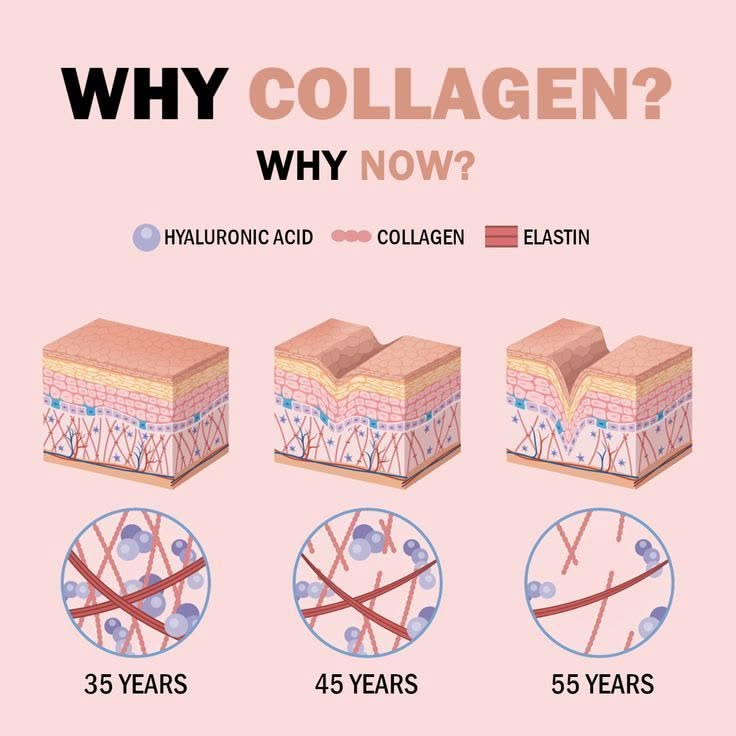
Extrinsic aging is influenced by environmental factors such as ultraviolet radiation, air pollution, tobacco smoke, and oxidative stress. Among these factors, exposure to sunlight without adequate protection is one of the major causes of wrinkles, dark spots, and reduced skin elasticity.
In addition, insufficient sleep, an unbalanced diet, and inappropriate skincare practices may cause the skin to appear tired, dull, dry, and less vibrant.
2. Protect Your Skin from Ultraviolet Radiation Every Day
Sunlight is one of the environmental factors that has a significant impact on skin aging. Ultraviolet A radiation can penetrate deeply into the skin and contribute to the breakdown of collagen and elastin. Ultraviolet B radiation primarily affects the outer layers of the skin, causing sunburn and cellular damage.
To minimize these effects, use a broad-spectrum sunscreen with a sun protection factor of 30 or higher every day. This also applies on cloudy days and when spending most of the day indoors if you are exposed to sunlight through windows.
In addition to sunscreen, wear a hat, sunglasses, and protective clothing, and limit direct exposure to intense sunlight.
Sun protection not only helps reduce pigmentation but is also an important step in protecting the skin’s structure and slowing down sunlight-induced premature aging.
3. Consume Nutrients That Support Collagen Production
Collagen is an important structural protein that helps maintain skin firmness and elasticity. When collagen production declines, the skin may gradually develop wrinkles and sagging.
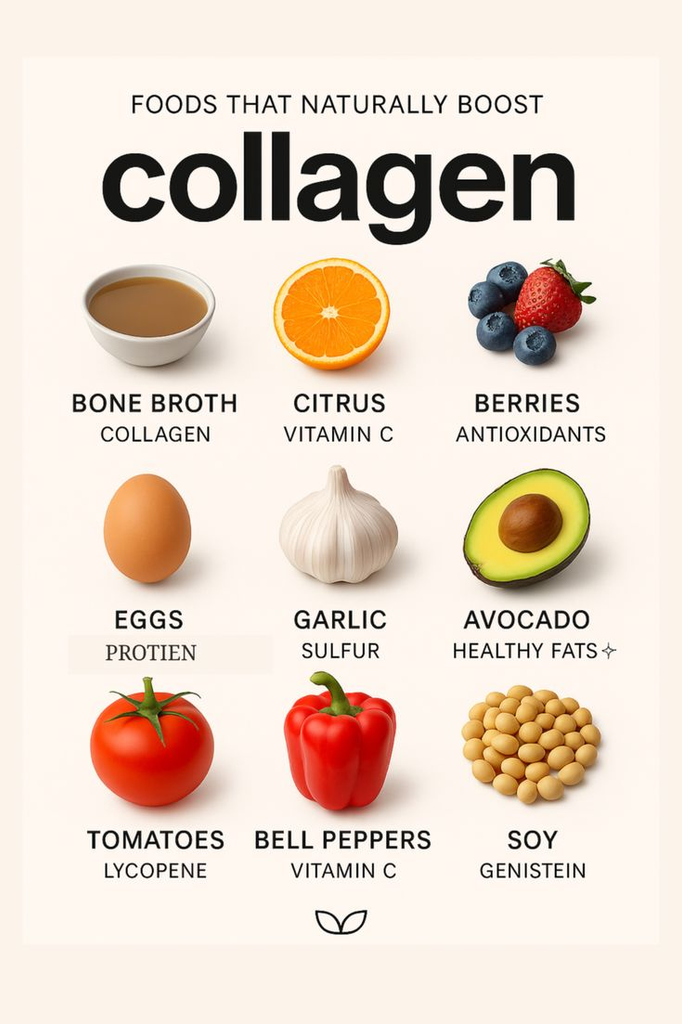
To support the body’s collagen production, maintain a varied diet that provides sufficient protein and essential micronutrients.
Several important nutrients include:
- Vitamin C: Plays an essential role in the formation and stabilization of collagen. Sources include oranges, kiwifruit, guavas, strawberries, and bell peppers.
- Protein: Provides the amino acids required for the synthesis of structural proteins. Food sources include fish, eggs, lean meat, dairy products, and legumes.
- Zinc and copper: Participate in various enzyme activities involved in maintaining and remodeling tissues.
- Antioxidants: Found in vegetables, fruits, and nuts, these compounds help protect cells against the effects of free radicals.
It is important to note that nutrient intake cannot completely reverse the aging process. The benefits depend on nutritional status, overall health, and various other factors.
4. Maintain Quality Sleep and Manage Stress
Sleep is the period during which the body carries out many restorative and regulatory processes. Prolonged sleep deprivation may cause the skin to look dull, tired, and less vibrant. It may also impair the function of the skin barrier.
Adults generally need approximately seven to nine hours of sleep each night. To improve sleep quality, try to maintain a consistent bedtime and wake-up time, limit caffeine intake late in the day, and avoid using electronic devices immediately before going to bed.
Long-term stress can also affect the skin barrier and aggravate certain skin concerns, such as acne and skin sensitivity. Therefore, gentle exercise, walking, breathing exercises, and setting aside time to relax each day can support overall health and skin condition.
5. Establish a Skincare Routine That Supports Healthy Aging
In addition to internal factors, topical skincare helps maintain moisture, strengthen the skin barrier, and improve some visible signs of aging. To choose the right product, you can refer to the article FACT: 5 Essential Things You Must Know Before Choosing a Moisturizer.
A basic skincare routine can include three steps.
Step 1: Cleanse Gently
Use a cleanser suitable for your skin type to remove dirt, excess oil, and makeup residue without leaving the skin feeling dry or tight.
Step 2: Moisturize and Use Suitable Active Ingredients
Ingredients such as hyaluronic acid and glycerin help retain moisture and improve skin softness and the appearance of plumpness. Niacinamide may help support the skin barrier and improve uneven skin tone.
Other active ingredients, such as retinoids, have evidence supporting their use in improving wrinkles and sun-induced skin damage. However, it is important to select an appropriate concentration, introduce the ingredient gradually, and pay attention to the risk of irritation.
Step 3: Protect Your Skin with Sunscreen
In the morning, finish your skincare routine with a broad-spectrum sunscreen with a sun protection factor of 30 or higher. This is an essential step if your goal is to reduce premature skin aging.
When choosing skincare products, prioritize formulations suitable for your skin condition and use them consistently rather than changing too many products at once.
6. The Role of Ingredients That Support Skin Renewal and Structure
In modern skincare, peptides and growth factors are garnering attention for their potential role in supporting skin maintenance and regeneration. You can learn more about the mechanisms of action and applications of this technology in the article Bio Placenta – A Biological Peptide System Mimicking Placental Activity and Its Application in Skin Regeneration.
These include growth factors and peptides. These groups of molecules are being studied for their roles in cellular activities and tissue maintenance. However, their effects on the skin depend on the type of ingredient, product formulation, stability, and ability to penetrate the skin. Not all products deliver the same results.
Products containing ingredients designed to support skin health may be considered as part of an anti-aging skincare routine, alongside more fundamental measures such as sun protection, moisturizing, and maintaining a healthy lifestyle.
It is important not to regard any serum or moisturizer as a solution that can completely stop the natural aging process.
Conclusion
Skin aging is inevitable, but the appearance of premature signs can be significantly influenced by lifestyle habits, exposure to sunlight, and skincare practices.
To maintain healthy skin over the long term, start with the fundamentals: apply sunscreen daily, eat a balanced diet, get sufficient sleep, manage stress, and use skincare products suitable for your skin.
Anti-aging skincare is not about finding an instant solution. It is about maintaining the right habits every day. With appropriate protection and care, the skin can maintain a fresh, soft, and healthy appearance over time.