Vitamin C is a widely used skincare ingredient found in a variety of cosmetic products. It is often incorporated into formulations designed to help maintain healthy-looking skin, improve the appearance of skin tone, and support a smoother, more radiant complexion.
However, developing a Vitamin C skincare product involves more than simply choosing a concentration. The type of Vitamin C, formulation stability, compatibility with other ingredients, product texture, and packaging all play important roles in the development process.
In this article, we explore the key benefits of Vitamin C, the different forms used in cosmetics, and the essential considerations for developing Vitamin C skincare products through OEM manufacturing.
1. What Does Vitamin C Do in Skincare?
Vitamin C is valued for several functions in cosmetic formulations.
① Helps protect the skin from oxidative stress
Vitamin C is known for its antioxidant properties and is used in skincare formulations designed to help maintain healthy-looking skin.
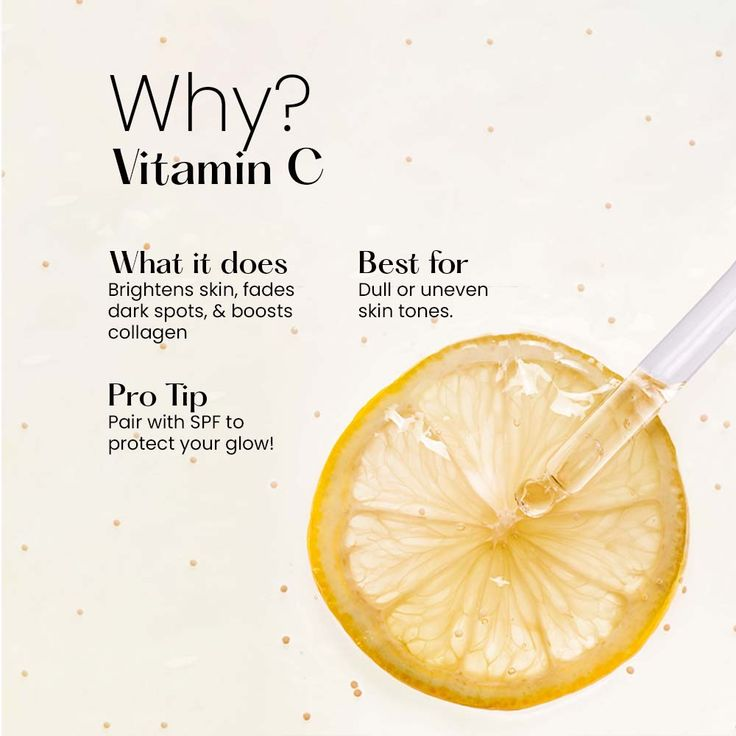
② Supports a brighter-looking complexion
Vitamin C is commonly used in products formulated to improve the appearance of uneven skin tone and promote a more radiant complexion. Claims related to skin brightening or whitening must be carefully considered according to the product category and applicable regulations in the target market.
③ Helps maintain skin firmness
Vitamin C plays a role in collagen synthesis in the body. In skincare, it is therefore a popular ingredient in formulations designed to support the appearance of firmer, smoother skin.
The benefits that can be claimed for a cosmetic product depend on its formulation, intended use, and applicable regulations. Product descriptions should always be developed with appropriate scientific and regulatory considerations in mind.
2. Different Forms of Vitamin C Used in Cosmetics
Vitamin C is available in several forms, each with its own characteristics and suitability for different formulations. Selecting the right form depends on the product concept, intended use, and formulation requirements.
- Pure Vitamin C (Ascorbic Acid)
The direct form of Vitamin C. Formulation pH and stability require careful consideration during product development. - 3-O-Ethyl Ascorbic Acid
A Vitamin C derivative used in cosmetic formulations. Its suitability depends on the desired product characteristics and overall formula. - Sodium Ascorbyl Phosphate (SAP)
A water-soluble Vitamin C derivative that may be considered for water-based formulations. - Magnesium Ascorbyl Phosphate (MAP)
Another water-soluble Vitamin C derivative that can be selected according to the product’s purpose and formulation requirements. - Ascorbyl Glucoside
A Vitamin C derivative used in various skincare products, depending on the desired formulation and product concept. - Tetrahexyldecyl Ascorbate
An oil-soluble Vitamin C derivative that may be suitable for oil-containing formulations.
Each form has different properties, so ingredient selection should not be based on the ingredient name alone. The formulation, product format, desired texture, and stability requirements should all be considered together.
3. Why Stability Matters in Vitamin C Skincare Products
One of the key challenges in developing Vitamin C skincare products is maintaining ingredient stability throughout the product’s intended shelf life.
Depending on the form used, Vitamin C may be affected by factors such as formulation pH, other ingredients, light exposure, air exposure, and storage conditions.
During product development, the following factors should be considered:
- The type and concentration of Vitamin C
- The pH and compatibility of the overall formulation
- Packaging designed with light and air exposure in mind
- Stability testing under appropriate storage conditions
For example, airless packaging or light-protective containers may be considered depending on the formula and product concept. However, packaging alone cannot guarantee stability. The finished product must be evaluated as a whole.
A well-designed formulation takes these factors into account from the early stages of development.
4. Combining Vitamin C with Other Skincare Ingredients
Vitamin C can be combined with other cosmetic ingredients to support different product concepts and skin care needs. However, ingredient compatibility and overall formulation stability should always be evaluated.
Vitamin C + Vitamin E and Ferulic Acid
These ingredients are often considered when developing formulations focused on antioxidant care. Their suitability depends on the specific ingredients, concentrations, and formulation conditions.
Vitamin C + Niacinamide
This combination may be considered for products designed to support a more even-looking complexion and maintain healthy-looking skin. Compatibility should be assessed based on the specific forms and concentrations used.
Vitamin C + Panthenol or Ceramides
Panthenol and ceramides may be incorporated into formulations that emphasize moisturization and skin conditioning. They can help shape the product’s overall skincare concept and sensory profile.
The goal is not simply to include as many popular ingredients as possible. Effective product development requires selecting ingredients that work well together and serve a clear purpose within the formulation.
5. Key Considerations for Vitamin C OEM Product Development
When developing Vitamin C skincare products through OEM manufacturing, it is important to establish the product concept before selecting ingredients.
① Define the target audience and product concept
Identify the intended customers, their skincare needs, and the positioning of the product. This helps guide decisions about ingredients, texture, packaging, and product claims.
② Choose the appropriate product format
Vitamin C can be incorporated into various product formats, including serums, ampoules, essences, lotions, and creams. The appropriate format depends on the intended use and overall product concept.
③ Balance ingredients and formulation requirements
Ingredient selection involves more than choosing a Vitamin C derivative or setting a concentration. Compatibility, stability, skin feel, and the overall balance of the formulation should also be considered.
④ Consider packaging and manufacturing requirements
Container material, design, size, and packaging specifications can influence product usability and quality. It is important to confirm that the selected OEM partner can accommodate the required specifications.
A successful OEM project brings together formulation considerations, target-market needs, pricing expectations, and brand positioning from the beginning.
6. Is a Higher Concentration of Vitamin C Always Better?
High-concentration Vitamin C products often attract attention, but a higher concentration does not automatically mean a product is more suitable for every user.
The overall experience depends on the form of Vitamin C, the complete formulation, and individual skin tolerance. Some products may cause discomfort or irritation, particularly for people with sensitive skin.
For this reason, product development should focus not only on concentration but also on formulation stability, usability, and the intended target audience. Consumers with sensitive skin should consider testing a product on a small area before regular use. Daily sun protection is also an important part of a skincare routine.
For OEM projects, a balanced formulation designed around a clear product concept is often more meaningful than focusing on concentration alone.
7. Izavell OEM: Supporting Vitamin C Skincare Development in Japan
Developing a Vitamin C skincare product requires careful consideration of multiple factors, from ingredient selection and formulation requirements to product texture and packaging.
Izavell OEM supports businesses exploring cosmetic OEM opportunities in Japan by helping organize project requirements, including product concepts, target audiences, desired product formats, ingredient preferences, sensory characteristics, and packaging specifications.
Depending on the needs of each project, Izavell works with OEM partners in Japan to explore suitable development options and confirm each partner’s capabilities and production requirements.
Whether you are considering a Vitamin C serum, ampoule, cream, or another skincare format, establishing a clear product concept is an important first step toward developing a product that aligns with your business goals.
If your company is interested in Japanese cosmetic OEM manufacturing or developing a Vitamin C skincare product, contact Izavell OEM to discuss your project requirements.